Introduction
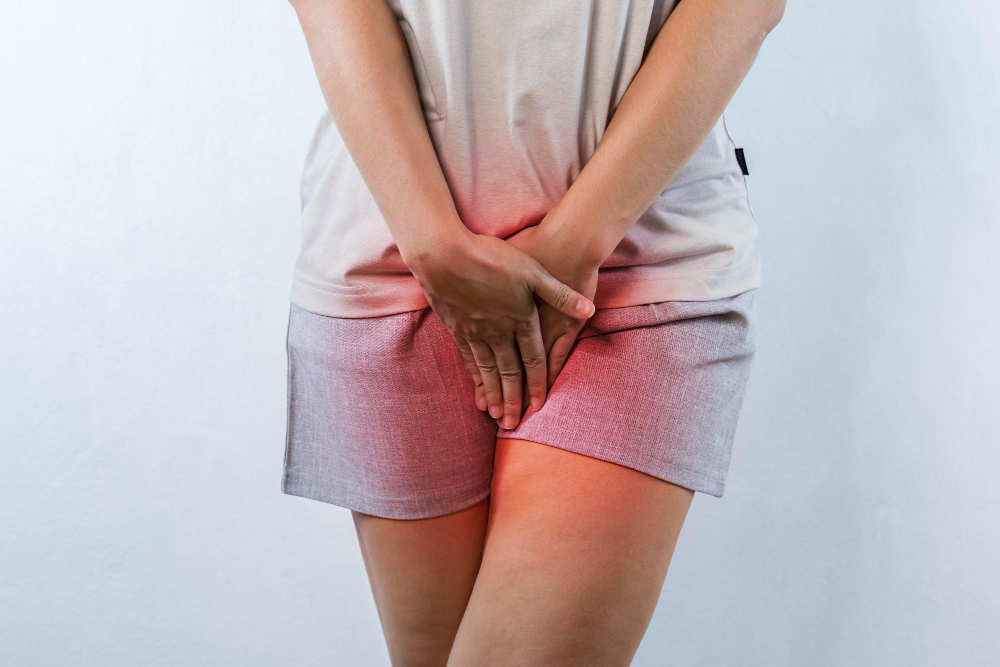
Vulvar itching is a common concern for many women. It means feeling itchy around the outer part of the female genitals. While infections can cause this problem, many cases have other causes. In this blog, we will focus on non-infectious reasons for vulvar itching. Understanding these can help you find relief and know when to seek help.
Overview of Vulvar Itching
Vulvar itching can affect women of all ages. Sometimes, the itch is mild and goes away quickly. Other times, it can last longer and cause discomfort. Although infections are a well-known cause, many women experience itching for other reasons. Knowing these reasons can help you manage symptoms better. According to the CDC, non-infectious causes are common and often overlooked.
Common Non-Infectious Causes of Vulvar Itching
There are several non-infectious reasons why vulvar itching may occur. Below are some of the most common:
Because these causes are not infections, antibiotics or antifungal creams will not help. Instead, identifying the trigger is key.
Symptoms and Warning Signs
Vulvar itching is often the main symptom. However, you may notice other signs as well. For example, you might see:
Sometimes, these symptoms can signal a more serious problem. If you notice bleeding, severe pain, or sores that do not heal, seek medical advice right away.
Diagnosis and When to See a Doctor
Often, mild vulvar itching goes away with simple care. However, you should see a doctor if:
During your visit, the doctor may ask about your symptoms and medical history. Sometimes, they will do a gentle exam or take a small skin sample. This helps rule out infections and find the real cause. According to the American College of Obstetricians and Gynecologists, early diagnosis can prevent complications.
Treatment Options and Self-Care Tips
Treatment depends on the cause of vulvar itching. For non-infectious causes, doctors may suggest:
In addition, cool compresses can help soothe the area. Always follow your doctor’s advice for any prescribed medicine.
Prevention Strategies and Lifestyle Guidance
Preventing vulvar itching often involves simple changes. Consider these tips:
Moreover, staying hydrated and eating a balanced diet can support healthy skin. If you notice new symptoms, do not ignore them. Early action can prevent discomfort from getting worse.
Conclusion
Vulvar itching can have many non-infectious causes. While it is often mild, sometimes it needs medical attention. If you have ongoing symptoms, consult a gynecologist Dr. Keerthi Reddy for personalized advice about vulvar itching.