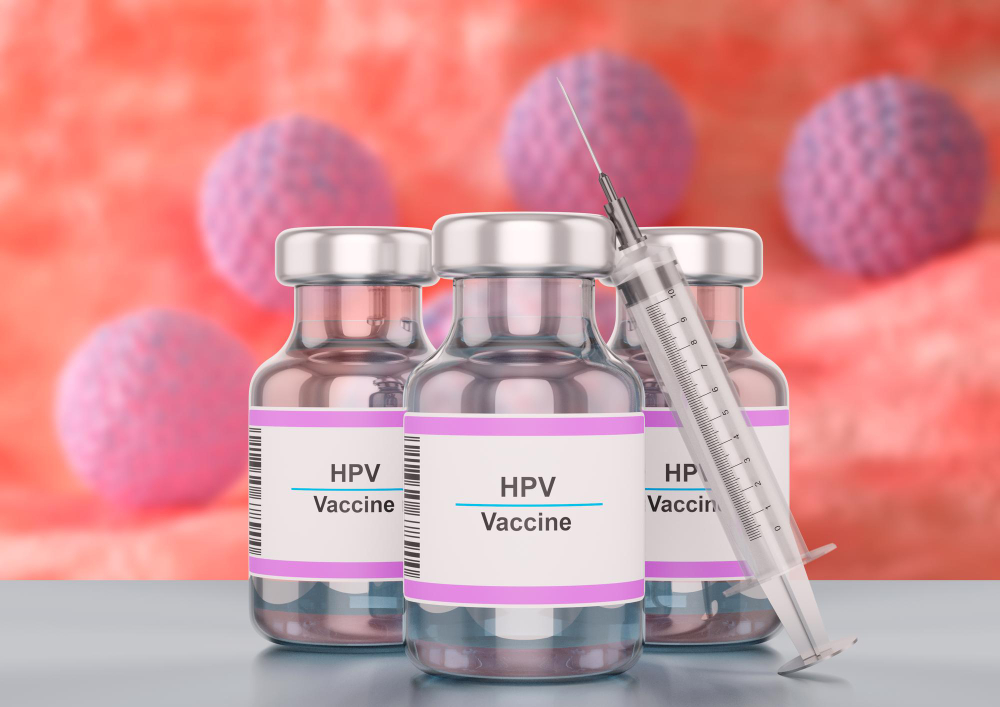
What Is HPV and Why Is It Important?
HPV stands for human papillomavirus. It is a common virus that spreads through skin-to-skin contact. Most people get HPV at some point in their lives. However, many do not know they have it. Often, HPV goes away on its own. But sometimes, it can cause health problems. For example, it may lead to genital warts or even certain cancers, such as cervical cancer. Because of this, HPV vaccination is very important for protecting your health.
Who Should Get the HPV Vaccine?
Many people wonder, “Who should get HPV vaccine?” The Centers for Disease Control and Prevention (CDC) recommends HPV vaccination for:
Both males and females benefit from the vaccine. For example, it helps prevent cancers of the cervix, anus, throat, and penis. Even if you are older, you may still benefit. However, the vaccine works best before any exposure to HPV. Therefore, early vaccination is key.
Benefits of HPV Vaccination
HPV vaccination benefits everyone. It helps prevent:
Moreover, getting vaccinated protects not just you but also others. When more people get the vaccine, the spread of HPV drops. As a result, fewer people get HPV-related diseases. This is why HPV vaccination matters for the whole community.
Safety and Side Effects
Many people ask about HPV vaccine safety. According to the CDC and World Health Organization, the HPV vaccine is very safe. Millions of doses have been given worldwide. Most side effects are mild and go away quickly. For instance, you may notice:
Serious side effects are very rare. Still, if you have concerns, talk to your healthcare provider. They can answer your questions and help you feel at ease.
How and Where to Get Vaccinated
Getting the HPV vaccine is simple. Most doctors, clinics, and health centers offer it. Usually, the vaccine is given as a series of two or three shots over several months. For children under 15, two shots are enough. For those 15 and older, three shots are needed. To find a location near you, ask your doctor or check your local health department’s website. Many pharmacies also offer HPV vaccination.
Common Myths and Facts
There are many myths about HPV vaccination. Let’s look at the facts:
Therefore, do not let myths stop you from protecting your health.
Prevention and Lifestyle Guidance
Besides vaccination, you can lower your risk of HPV by:
However, remember that condoms do not give full protection against HPV. Thus, HPV vaccination is the best way to prevent HPV-related diseases.
Conclusion: Take Charge of Your Health
In summary, HPV vaccination is a safe and effective way to protect yourself and others. It prevents many cancers and other health problems. If you have questions or want to know if the HPV vaccine is right for you, consult your healthcare provider at Swathi Multispeciality Clinic today.