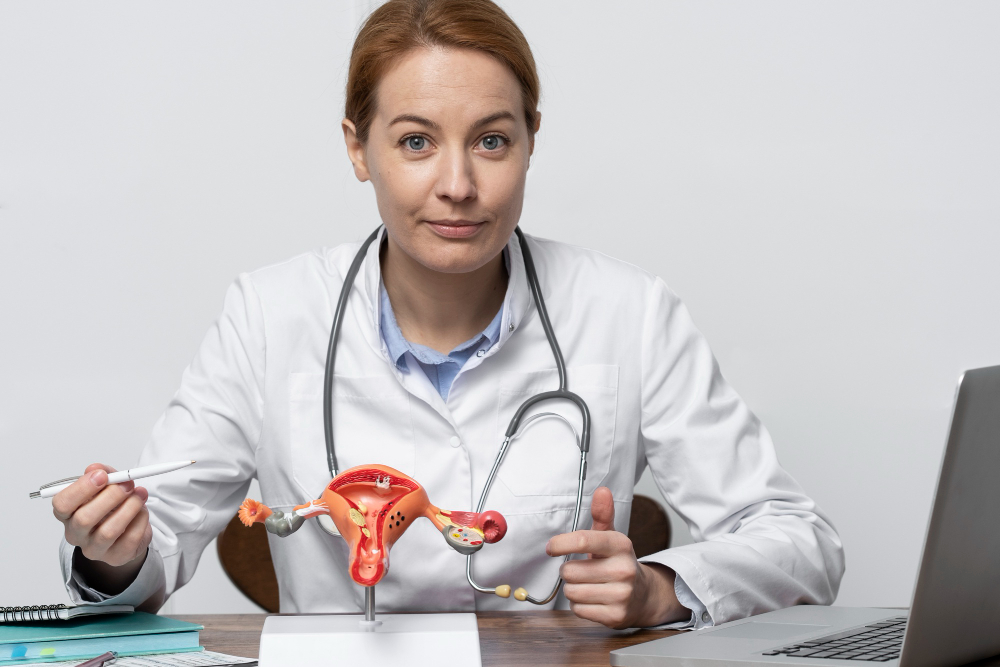
What Are Endometrial Polyps?
Endometrial polyps are small growths that form inside the uterus. The uterus is the organ where a baby grows during pregnancy. These polyps develop from the lining of the uterus, called the endometrium. Most polyps are not cancerous, but some can cause problems. For example, they can lead to irregular uterine bleeding. According to the World Health Organization, endometrial polyps are common, especially in women over 40 years old. However, they can affect women of any age.
Why Do Endometrial Polyps Cause Irregular Bleeding?
Often, endometrial polyps cause irregular uterine bleeding because they disturb the normal lining of the uterus. When the lining is uneven, bleeding can happen at unexpected times. In addition, polyps have their own blood vessels, which can break and bleed easily. This is why women with polyps may notice spotting or bleeding between periods. Sometimes, the body tries to shed the polyp, which can also cause bleeding. According to the CDC, irregular bleeding is one of the main reasons women seek help for polyps.
Common Symptoms of Endometrial Polyps
Many women with endometrial polyps have no symptoms. However, some notice changes in their periods or bleeding patterns. For example, you may see:
Still, not all women with these symptoms have polyps. Other conditions can cause similar problems. Therefore, it is important to see a doctor if you notice changes in your bleeding.
How Are Endometrial Polyps Diagnosed?
Doctors use several methods to find endometrial polyps. First, they may ask about your symptoms and medical history. Next, they often recommend an ultrasound. An ultrasound uses sound waves to create pictures of the uterus. Sometimes, a special type called a saline infusion sonogram is used. This test involves placing salt water into the uterus to make polyps easier to see. In some cases, doctors use a thin camera called a hysteroscope to look inside the uterus. This allows them to see and sometimes remove the polyp at the same time. According to research in medical journals, these tests are safe and help doctors make an accurate diagnosis of endometrial polyps.
Risk Factors and Who Is Most Affected
Some women are more likely to develop endometrial polyps. Age is a key factor. For instance, women in their 40s and 50s have a higher risk. Hormone changes, especially higher levels of estrogen, can also play a role. In addition, women who are overweight or have high blood pressure may face greater risk. According to the CDC, using certain medicines for breast cancer, like tamoxifen, can increase the chance of developing polyps. Still, many women with risk factors never develop polyps.
Prevention and Lifestyle Guidance
While there is no sure way to prevent endometrial polyps, some healthy habits may help. For example, keeping a healthy weight can lower your risk. Eating a balanced diet and staying active are also important. If you have high blood pressure, managing it with your doctor’s help is wise. Regular check-ups can catch changes in your health early. Although you cannot control all risk factors, making healthy choices supports your overall well-being. The World Health Organization recommends regular visits to your healthcare provider, especially if you notice changes in your periods or bleeding patterns.
Don’t delay persistent health concerns. Seek professional advice.. Consult Dr. Keerthi Reddy