What Is Adenomyosis?
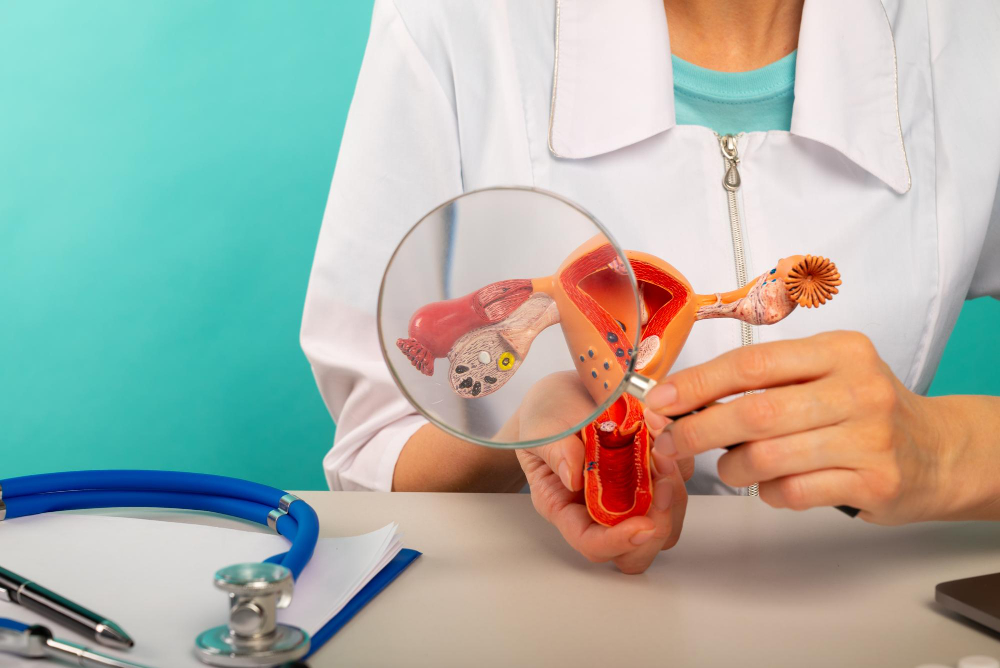
Adenomyosis is a common uterine condition that affects many women. In this condition, the tissue that lines the uterus grows into the muscle wall of the uterus. As a result, the uterus may become larger and more tender. For many, this can cause pain and heavy periods. However, some women may not notice any symptoms at all. Although adenomyosis is not cancer, it can still affect daily life. Experts from the World Health Organization (WHO) note that this condition often appears in women aged 30 to 50. Because adenomyosis can look like other health problems, it is important to understand its signs and how it is diagnosed.
Common Symptoms of Adenomyosis
Many women with adenomyosis experience symptoms, but not everyone does. Still, knowing the signs can help you seek care early. For example, symptoms often include:
Sometimes, these symptoms may be mild. On the other hand, they can also be severe and affect daily activities. If you notice any of these signs, it is wise to talk to your doctor.
Causes and Risk Factors
Doctors are still learning what causes adenomyosis. Even so, several risk factors may increase the chance of developing this condition. For instance, women who have had children are more likely to get adenomyosis. In addition, those who have had uterine surgery, such as a cesarean section, may also be at higher risk. Age is another factor. Most cases occur in women between 30 and 50 years old. Although the exact cause is unknown, changes in hormones like estrogen may play a role. Genetics may also have an effect, but more research is needed.
How Is Adenomyosis Diagnosed?
Because adenomyosis shares symptoms with other conditions, diagnosis can be tricky. Usually, doctors start with a medical history and a physical exam. Next, they may order imaging tests. For example, an ultrasound can help check the size and shape of the uterus. Sometimes, a magnetic resonance imaging (MRI) scan gives a clearer picture. In rare cases, a biopsy may be needed. However, most diagnoses rely on symptoms and imaging. If you have ongoing pelvic pain or heavy periods, your doctor may suggest these tests to rule out other causes.
Treatment Options for Adenomyosis
Treatment for adenomyosis depends on your symptoms and plans for future pregnancy. For mild symptoms, over-the-counter pain relievers can help. However, if pain or bleeding is severe, other treatments may be needed. Common options include:
Because every woman is different, your doctor will help you choose the best option. Sometimes, lifestyle changes can also make a difference.
Lifestyle Tips and Self-Care
While medical treatment is important, self-care can also help manage adenomyosis. For example, you can try:
Although these steps may not cure adenomyosis, they can help you feel better day to day. Always talk to your doctor before starting new treatments or supplements.
Preventing Adenomyosis: What You Should Know
Currently, there is no sure way to prevent adenomyosis. However, knowing your risk factors can help you stay alert to symptoms. Early diagnosis may lead to better management. Because adenomyosis is linked to hormone levels, some experts suggest that keeping a healthy weight and staying active may help. Even though prevention is not always possible, regular check-ups with your doctor can catch problems early. If you have a family history of uterine conditions, let your healthcare provider know. That way, you can work together to monitor your health and address any changes quickly, consult Dr. Keerthi Reddy.