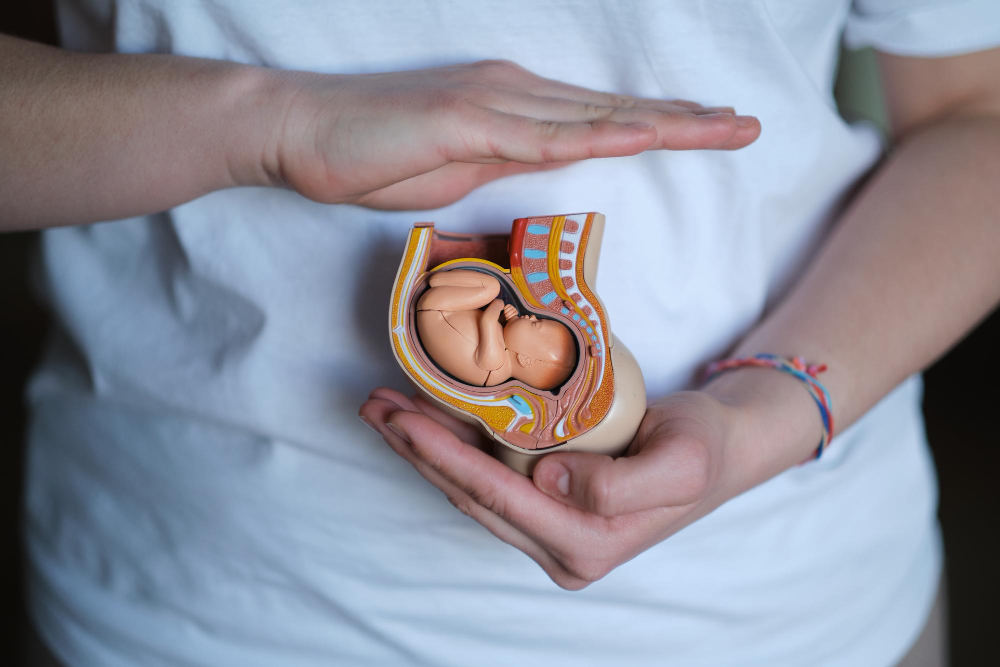
What is Placenta Previa?
Placenta previa is a condition in pregnancy where the placenta covers part or all of the cervix. The placenta is an organ that gives your baby oxygen and nutrients. Usually, it attaches to the upper part of the uterus. However, in placenta previa, it sits lower and may block the birth canal. Because of this, placenta previa in pregnancy can cause problems during delivery. Early diagnosis and careful management are important for a safe pregnancy.
Causes of Placenta Previa
Doctors do not always know why placenta previa happens. Still, some factors can increase the risk. For example, women who have had previous pregnancies or surgeries on the uterus are more likely to develop it. In addition, certain lifestyle habits may play a role.
Although these factors increase risk, placenta previa can happen to anyone.
Symptoms and Warning Signs
Placenta previa symptoms often appear in the second or third trimester. The main sign is painless vaginal bleeding. However, not everyone will have symptoms. Because of this, regular check-ups are important.
If you notice any of these warning signs, contact your doctor right away. Early action can help keep you and your baby safe.
Diagnosis Methods
Doctors use several methods to diagnose placenta previa. Most often, an ultrasound scan is the first step. This test uses sound waves to create a picture of your uterus. Because it is safe for both mother and baby, ultrasound is the preferred method. Sometimes, a transvaginal ultrasound gives a clearer view. In rare cases, an MRI may be used for more detail.
Early diagnosis helps doctors plan the best care for you and your baby.
Pregnancy Management and Treatment Options
Managing placenta previa depends on how far along you are and how much bleeding you have. For many women, rest and careful monitoring are enough. However, some may need hospital care. Your doctor will create a plan based on your needs.
Because every pregnancy is different, your doctor will guide you on the safest options.
Prevention Tips and Lifestyle Guidance
Although you cannot always prevent placenta previa, some steps may lower your risk. For example, taking care of your health before and during pregnancy can help.
With good care, many women with placenta previa have healthy pregnancies.
When to Seek Medical Help
It is important to know when to call your doctor. If you have placenta previa symptoms, do not wait. For instance, seek help if you notice:
Quick action can protect both you and your baby. Always follow your doctor’s advice for managing placenta previa.
For personalized advice on placenta previa, consult Dr. Keerthi Reddy obstetrician or gynecologist.