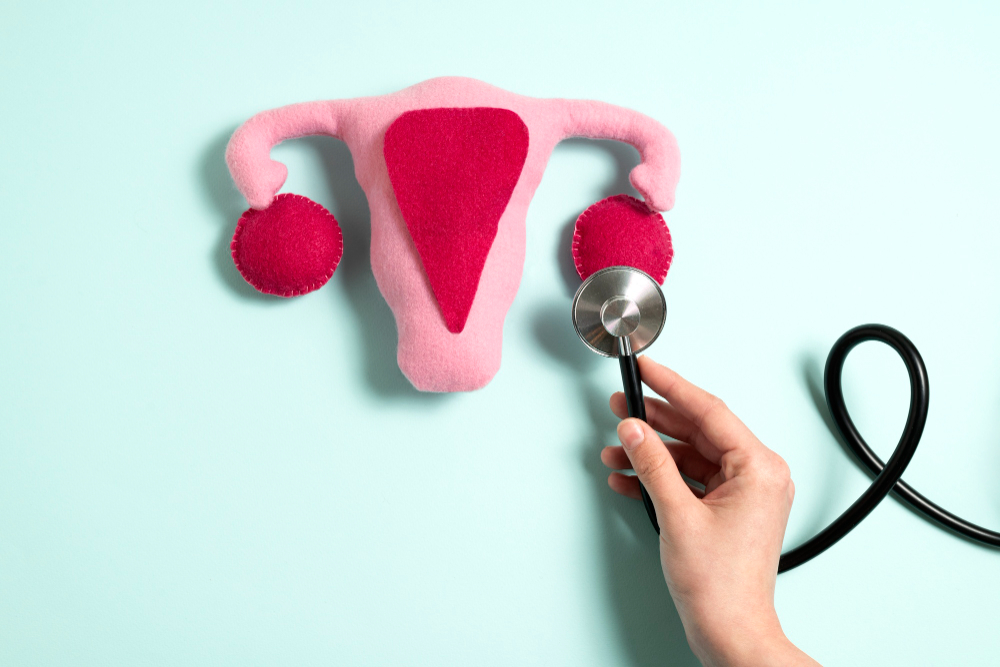
What Is Low Ovarian Reserve?
Low ovarian reserve means a woman has fewer eggs left in her ovaries than expected for her age. This condition can affect fertility. Many women wonder if pregnancy is still possible with low ovarian reserve. While it may be harder, pregnancy can still happen for some women. The number and quality of eggs naturally decrease as women get older. However, some women may have low ovarian reserve at a younger age.
Symptoms and Signs
Often, low ovarian reserve does not cause clear symptoms. Still, some women may notice changes. For example, you might see:
However, many women have no symptoms until they try to conceive. Therefore, regular check-ups can help spot problems early.
Causes and Risk Factors
Several factors can lead to low ovarian reserve. Some are natural, while others are linked to health or lifestyle. Common causes and risks include:
Because some risks can be managed, healthy habits may help protect your fertility.
Diagnosis of Low Ovarian Reserve
Doctors use several tests to check for low ovarian reserve. Usually, they start with a medical history and a physical exam. Next, they may order blood tests to measure hormone levels, such as:
In addition, an ultrasound can count the number of small follicles in the ovaries. These tests help doctors understand your fertility status. Early diagnosis can give you more options for planning a family.
Can Pregnancy Still Be Possible?
Many women ask, “Can I get pregnant with low ovarian reserve?” The answer is yes, but it may be more difficult. Some women with low ovarian reserve can conceive naturally, especially if they are younger. However, the chances of pregnancy may be lower than average. Fertility options for low ovarian reserve include medical treatments and assisted reproduction. Because every woman is different, results can vary. It is important to talk with a fertility specialist about your personal chances.
Treatment Options and Fertility Support
There are several fertility options for low ovarian reserve. Your doctor may suggest:
In some cases, lifestyle changes can also help. Support groups and counseling may offer emotional help during this journey. Because treatment success depends on many factors, a specialist can guide you to the best plan.
Lifestyle Tips and Prevention
While you cannot stop natural aging, some steps may help protect your ovarian reserve. For example:
Additionally, early testing can help you plan for the future. Healthy habits may support overall fertility.
When to See a Specialist
If you have trouble getting pregnant or notice changes in your periods, it is wise to see a fertility specialist. Early advice can make a big difference. Also, if you have a family history of early menopause or have had treatments that affect the ovaries, talk to your doctor. In many regions, fertility clinics offer special tests and support. Therefore, do not wait to seek help if you have concerns.
In summary, low ovarian reserve can make pregnancy harder, but options are available. Consult a specialist Dr. Keerthi Reddy for personalized advice about low ovarian reserve and pregnancy.