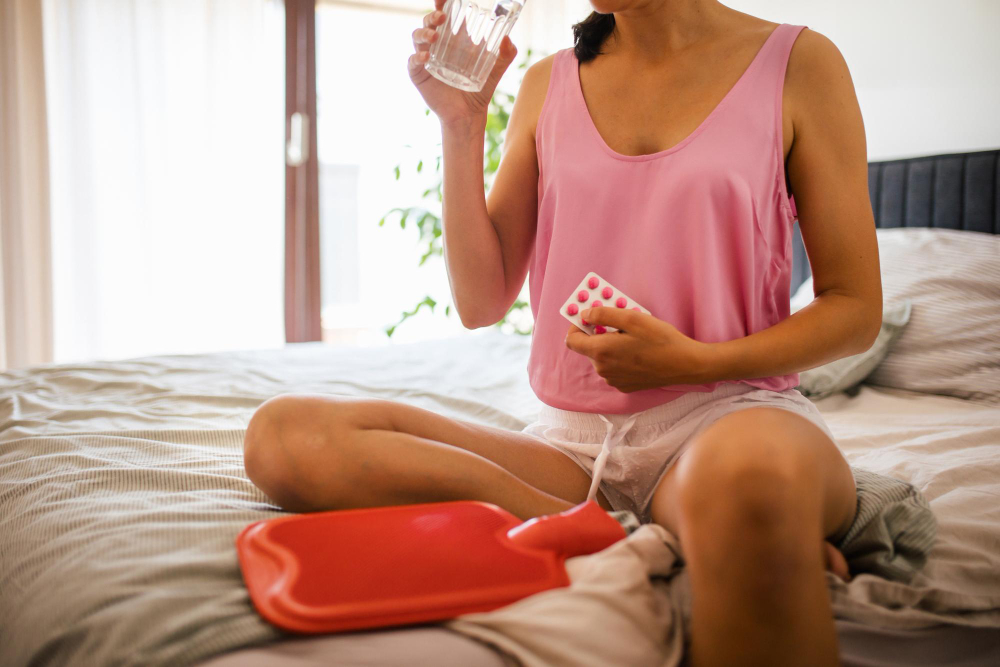
What Is Heavy Menstrual Bleeding?
Heavy menstrual bleeding means losing more blood than normal during your period. Doctors may call this condition menorrhagia or abnormal uterine bleeding. For many women, heavy periods can cause tiredness, pain, and daily life problems. Sometimes, you may need to change pads or tampons every one to two hours. In some cases, heavy bleeding can lead to anemia, which means you have low iron in your blood. If you notice these signs, it is important to learn about the causes and treatment for heavy periods.
Common Causes of Heavy Menstrual Bleeding
There are many reasons why someone may have heavy periods. Sometimes, the cause is easy to find. Other times, it may take more tests. Here are some common causes:
However, sometimes no clear cause is found. In these cases, doctors may call it “dysfunctional uterine bleeding.” According to the CDC, up to one in five women may have heavy periods at some point in their lives.
How Is Heavy Menstrual Bleeding Diagnosed?
If you think your periods are too heavy, it is important to see a doctor. Early diagnosis can help you feel better and avoid problems like anemia. Here is what you can expect during a visit:
With these steps, your doctor can find the cause and suggest the best treatment for heavy periods.
Treatment Options for Heavy Menstrual Bleeding
Treatment depends on the cause, your age, and your health. Some women need only simple changes, while others may need more care. Here are common treatment options:
In addition, if you live in a city with many options, you can search for “heavy menstrual bleeding treatment in [Your City]” to find local care.
Lifestyle Tips and Prevention
While you may not always prevent heavy periods, some steps can help you feel better. For example, eating iron-rich foods like spinach, beans, and lean meat can help prevent anemia. Also, drinking enough water and resting during your period can make a difference. Here are more tips:
With the right care, most women can manage heavy menstrual bleeding and live a healthy life.
Conclusion
Heavy menstrual bleeding can affect your daily life, but help is available. If you notice heavy or long periods, do not wait. Consult a gynecologist Dr. Keerthi Reddy for personalized advice on heavy menstrual bleeding. Early care can make a big difference in your health and well-being.