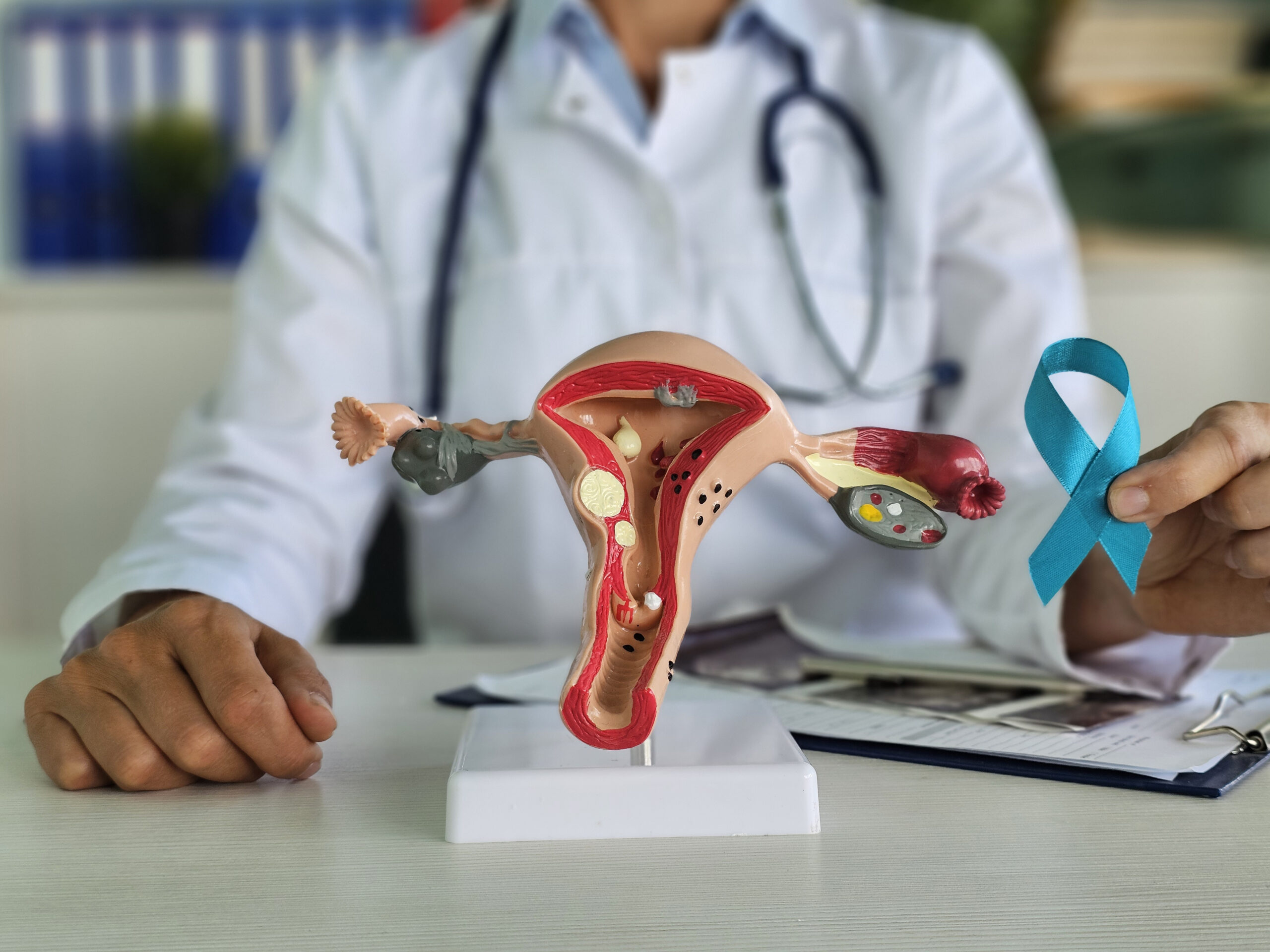
What is Primary Ovarian Insufficiency (POI)?
Primary Ovarian Insufficiency (POI) is a condition where the ovaries stop working well before age 40. Often, this is called early menopause or ovarian failure in young women. Usually, the ovaries make hormones and release eggs. However, in POI, these functions slow down or stop. As a result, women may have irregular periods or trouble getting pregnant. Although POI affects female reproductive health, it is not the same as natural menopause. Sometimes, women with POI still have periods or can become pregnant. According to the CDC, POI affects about 1 in 100 women under 40.
Common Symptoms of POI
Many women with POI notice changes in their bodies. For example, periods may become irregular or stop. In addition, other symptoms can appear, such as:
However, some women may not notice any symptoms at first. If you have any of these signs, it is important to talk to your doctor.
Causes and Risk Factors
There are many reasons why POI can happen. Sometimes, doctors cannot find a clear cause. Still, some known causes and risk factors include:
In some cases, lifestyle factors like smoking may increase the risk. However, many women with POI have no clear risk factors.
How POI is Diagnosed
Doctors use several steps to diagnose Primary Ovarian Insufficiency. First, they ask about your symptoms and medical history. Next, they may order blood tests to check hormone levels. For example, high levels of follicle-stimulating hormone (FSH) can be a sign of POI. In addition, doctors may check for other health problems or genetic conditions. Sometimes, an ultrasound is used to look at the ovaries. If you have missed periods or other symptoms, it is important to get checked early.
Treatment Options for POI
Although there is no cure for POI, several treatments can help manage symptoms and improve quality of life. Common treatment options include:
It is important to work with your healthcare team to find the best plan for you.
Lifestyle Tips and Support
Living with POI can be challenging, but healthy habits can make a difference. For example, you can:
In addition, regular check-ups with your doctor are important for monitoring your health.
Prevention and Outlook
Currently, there is no sure way to prevent Primary Ovarian Insufficiency. However, early diagnosis and treatment can help manage symptoms and lower the risk of long-term problems, such as bone loss or heart disease. With the right care, many women with POI lead healthy, active lives. If you live in an area with limited access to specialists, ask your doctor about telemedicine or local support resources.
If you have concerns about Primary Ovarian Insufficiency, consult Dr. Keerthi Reddy for personalized advice.